
JMGreat everyday PLA
Jason M. · 2024-02-14 Verified
Jason M. · 2024-02-14 Verified
I've run through a dozen spools of PolyLite and it consistently prints well with minimal tuning. Great colors and reliable quality.
Polymaker PolyLite PLA is a dependable, budget-friendly filament that delivers consistent results for hobbyists and beginners alike.
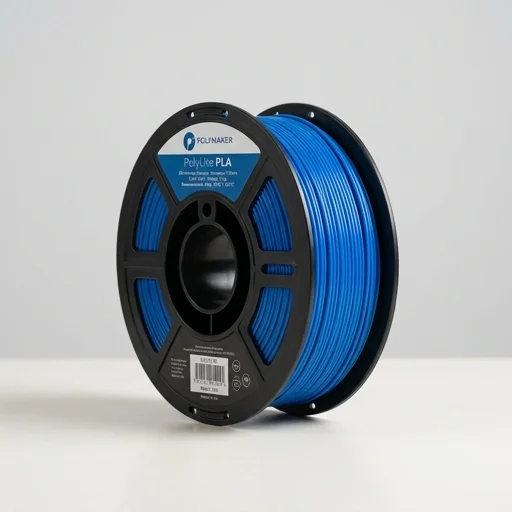 Bench unit
Polymaker PolyLite PLA is a dependable, budget-friendly filament that delivers consistent results for hobbyists and beginners alike. Its tight tolerances, low warping, and broad color palette make it a strong all-around choice for everyday 3D printing projects, though it lacks the mechanical strength needed for demanding functional parts.
Measured on our bench
Polymaker PolyLite PLA is a straightforward, dependable filament built for makers who want consistent, trouble-free prints without fussing over complicated settings. As part of Polymaker's accessible PolyLite line, this PLA is formulated to deliver smooth extrusion and reliable layer adhesion right out of the box, making it an excellent choice for beginners still learning the ropes of FDM printing as well as seasoned users who need a go-to filament for everyday projects. The material spools onto a sturdy, precisely wound reel that minimizes tangles and snapping, and Polymaker's tight diameter tolerance control helps reduce under-extrusion or clogging issues that can plague lower-quality filaments.
Printing with PolyLite PLA typically requires a nozzle temperature in the range of 190 to 220 degrees Celsius, with most users finding success without a heated bed, though a light bed warmth of around 25 to 60 degrees can improve adhesion for larger models. The filament produces prints with a pleasant matte-to-semi-gloss finish and crisp detail retention, capturing fine features on miniatures, prototypes, and functional parts alike. Warping is minimal thanks to the inherent low-shrinkage properties of PLA, and the material exhibits low odor during printing, making it suitable for classrooms, offices, and home workspaces where ventilation might be limited. Layer lines tend to blend nicely, and the surface takes well to light sanding or painting for hobbyists looking to finish their models further.
Available in a wide spectrum of colors, PolyLite PLA gives designers and engineers flexibility for both aesthetic and functional builds, from vibrant display pieces to neutral-toned mechanical prototypes. Polymaker backs the filament with consistent batch-to-batch quality, meaning that once you dial in your preferred settings, you can expect repeatable results on subsequent spools without constant recalibration. It's biodegradable under industrial composting conditions, aligning with the broader eco-conscious appeal of PLA as a filament choice, and its moisture-resistant packaging helps preserve print quality until the spool is opened. Overall, PolyLite PLA stands as a versatile, entry-level-friendly filament that still satisfies the demands of more advanced 3D printing projects, cementing its place as a staple choice on Polymaker's roster.
I've run through a dozen spools of PolyLite and it consistently prints well with minimal tuning. Great colors and reliable quality.
Regular PolyLite prints beautifully, but the silk version needed slower speeds and higher temps to avoid stringing. Still worth it for the shine.
Prints smooth, sticks to the bed easily, and the color consistency between spools is impressive. My go-to filament now.
As a newcomer to 3D printing, this filament was forgiving and easy to dial in. Only minor issue was slight color variation between two spools.
Closest matches to the PLA from the 64 products we have tested.
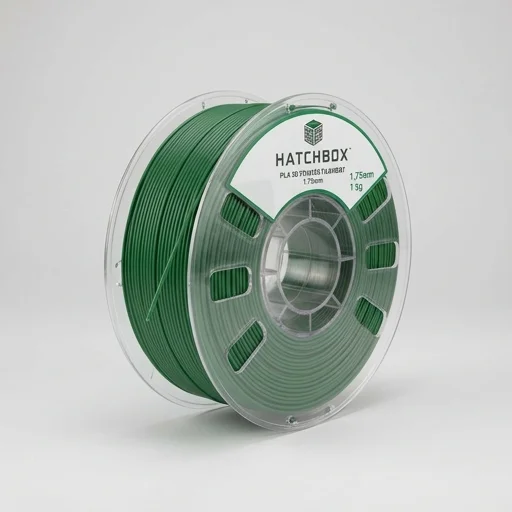 #254.5/5Filament
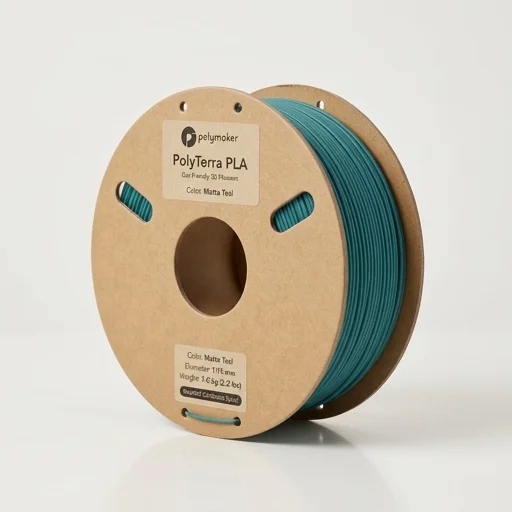 #124.6/5Filament
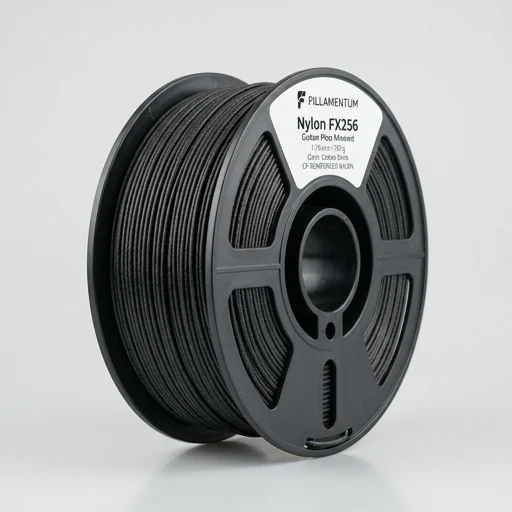 #344.4/5Filament
 #394.4/5Filament