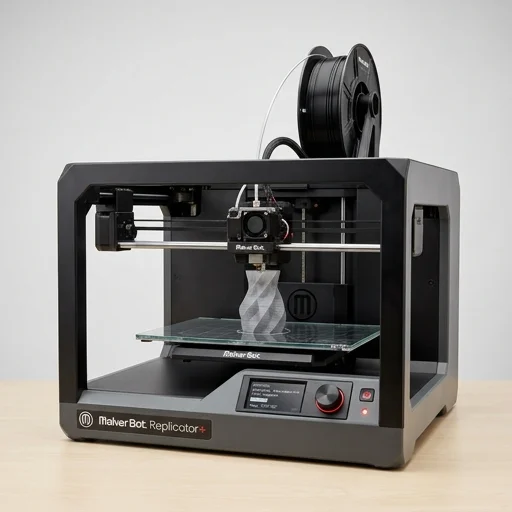
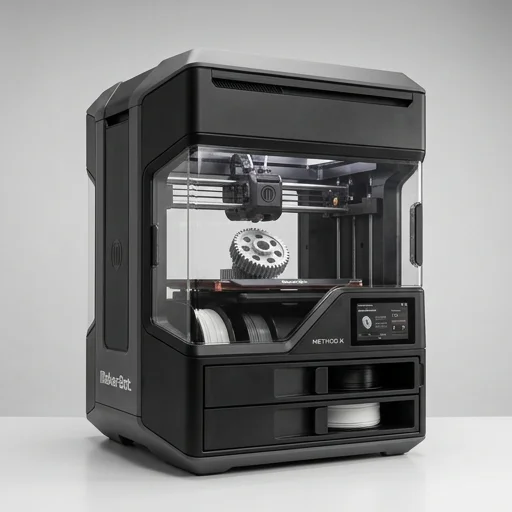
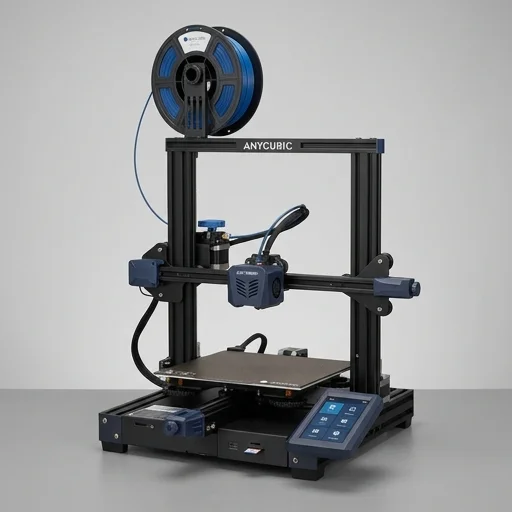
The MakerBot Replicator stands as one of the most recognized names in desktop FDM 3D printing, a machine that helped bring additive manufacturing out of hobbyist garages and into classrooms, offices, and small design studios. Built around fused deposition modeling technology, it extrudes thermoplastic filament layer by layer to build three-dimensional objects directly from digital files. The printer typically works with PLA and similar filaments, offering a reliable entry point for users who want consistent results without wrestling with the finicky calibration issues that plague many budget machines. Its enclosed or semi-enclosed frame designs, depending on the generation, help maintain more stable printing conditions and reduce warping on longer prints.
On the bench
What sets the Replicator apart in the crowded FDM market is its emphasis on usability and integration with MakerBot's own software ecosystem, particularly the MakerBot Print and MakerBot CloudPrint platforms. These tools simplify the workflow from model preparation to slicing to actual print execution, making the machine approachable for educators, engineers, and designers who need dependable output rather than a tinkering project. The onboard camera featured in several Replicator models allows remote monitoring of print jobs, a feature that proves especially valuable in classroom or office settings where multiple printers might be running simultaneously. Smart extruders with built-in sensors help detect filament jams or runouts, pausing the print automatically rather than wasting hours on a failed job.
Living with it
Build volume and print resolution on the Replicator line cater to prototyping needs rather than industrial-scale production, making it well suited for creating functional prototypes, educational models, architectural mockups, and small-batch custom parts. The touchscreen interface found on newer models simplifies navigation through print settings, filament changes, and calibration routines, reducing the learning curve for new users. MakerBot's long-standing presence in the 3D printing niche means the Replicator benefits from an established support network, extensive documentation, and a broad community of users sharing settings and troubleshooting tips. For institutions and businesses prioritizing consistency, ease of use, and a proven track record over raw speed or exotic material compatibility, the Replicator remains a solid, purpose-built choice within the FDM printer category.